
What is Vapor Recovery?
A comprehensive guide to everything you need to know about Vapor Recovery & Vapor Recovery Units (VRU)
Let’s start with the regulatory side of things. If you’re in the oil and gas industry, you know that emissions regulations are tightening and they can feel suffocating to a company. Governments around the world are mandating lower emissions, and failing to comply with these standards can lead to hefty fines, operational restrictions, and damaged reputations. Vapor recovery systems offer a solution to this problem by capturing harmful gases like volatile organic compounds (VOCs) and methane, which would otherwise escape into the atmosphere.
Without vapor recovery, companies run the risk of falling out of compliance with local, state, or even international regulations. And it’s not just about avoiding fines; having a reliable vapor recovery system in place shows that your company is committed to environmental responsibility, something that can strengthen your relationships with customers, regulators, and the public. In a world where corporate social responsibility is more important than ever, vapor recovery is a step toward being a more sustainable, forward-thinking business.
Beyond just the regulations aspect, there lies the underlying implications of environmental impact. When oil and gas companies release VOCs and methane into the atmosphere, it does not just harm the atmosphere and the air we breathe—it contributes significantly to climate change. Methane is a potent greenhouse gas that traps heat in the atmosphere much more effectively than carbon dioxide. If we, as a society, are serious about tackling climate change, then capturing methane emissions in energy production is critical.
Vapor recovery systems help oil and gas companies drastically reduce their carbon footprint by capturing these harmful gases and preventing them from escaping into the environment. That’s not only good for the planet but also for the people living near oil and gas operations. Cleaner air, fewer emissions, and reduced pollution all contribute to a better quality of life for local communities. When companies invest in vapor recovery, they are investing in a cleaner, safer future for everyone.
While we have talked a lot about emissions, vapor recovery is a vital source for increasing revenue for oil and gas producers. The gases that are captured by vapor recovery systems, like methane and propane, are not just waste; they’re valuable resources. By capturing and repurposing these gases, companies can create additional revenue streams. Taking emissions practices from a cost center to a profit center. Whether the recovered gases are reused in production or sold, vapor recovery turns what would have been lost into something profitable.
And it’s not just about selling gases. Vapor recovery also improves operational efficiency by reducing waste and preventing product loss. Every bit of vapor that escapes into the atmosphere represents a loss of valuable product. By capturing those vapors, companies are essentially putting a stop to that loss. In a business where efficiency is key to profitability, vapor recovery systems make a significant difference.
Learn more about why vapor recovery is important.

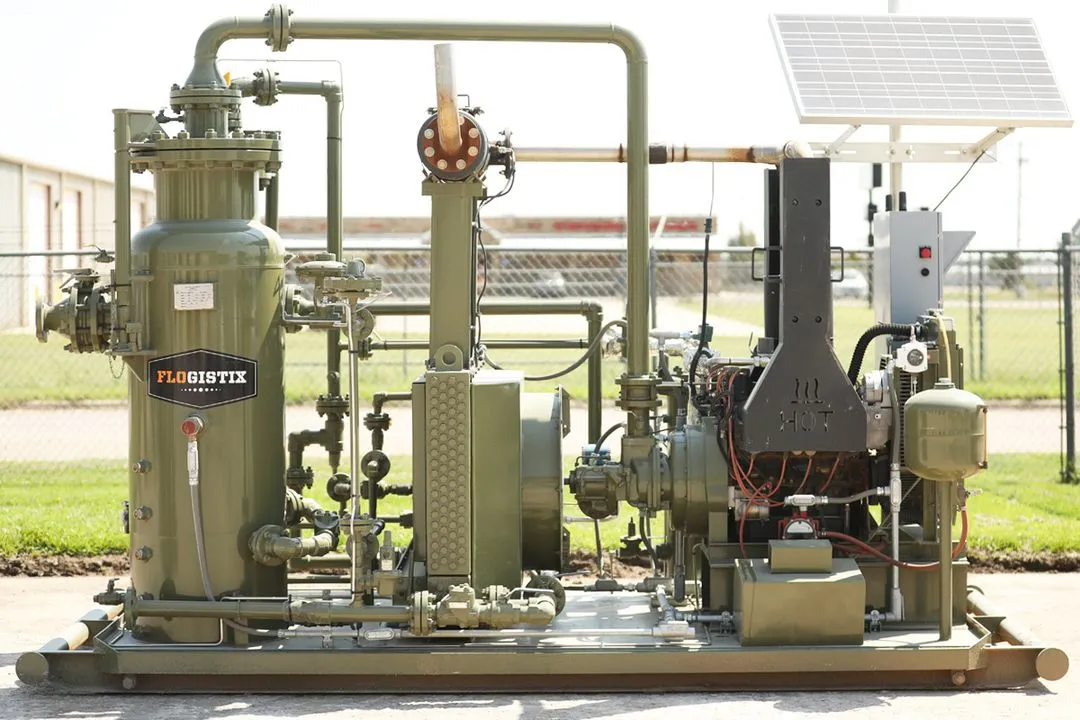

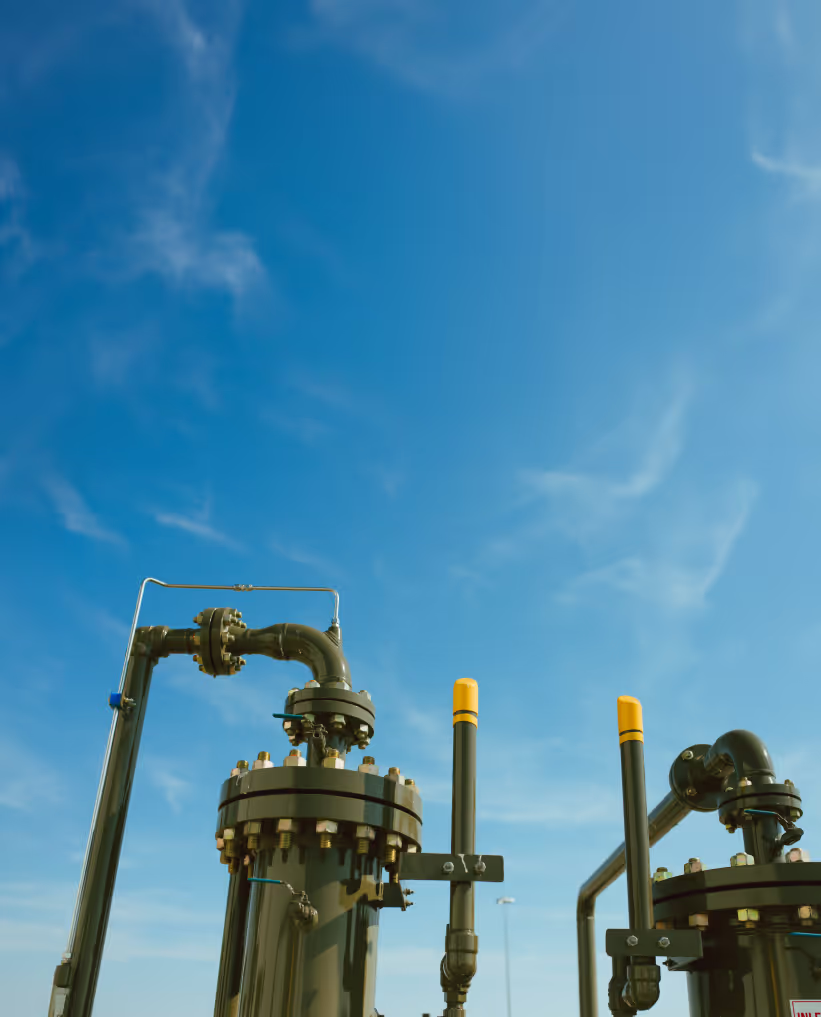
Vapor Recovery Units (VRUs) are versatile tools that can be used across various stages of oil and gas operations. Whether you are dealing with storage tanks, natural gas processing, or pipelines, VRUs play a key role in reducing emissions and improving operational efficiency in oil and gas production. Check out this overview on some of the most common applications for VRUs.
.avif)
Now that you know what vapor recovery is and how it is used, the next question is: how effective are vapor recovery units (VRUs)? The short answer: extremely.
When installed and maintained correctly by trained professionals, VRUs can capture up to 95% of emissions that would otherwise be lost during oil and gas production and storage. That level of effectiveness isn’t just a win for the environment—it’s a game changer for companies looking to enhance resource recovery and operational efficiency.

With Flogistix you get:
Ready to take the next step in optimizing your vapor recovery process? Contact us today to see how we can help you transform your operations.