What is a Vapor Recovery Unit?

September 19, 2024
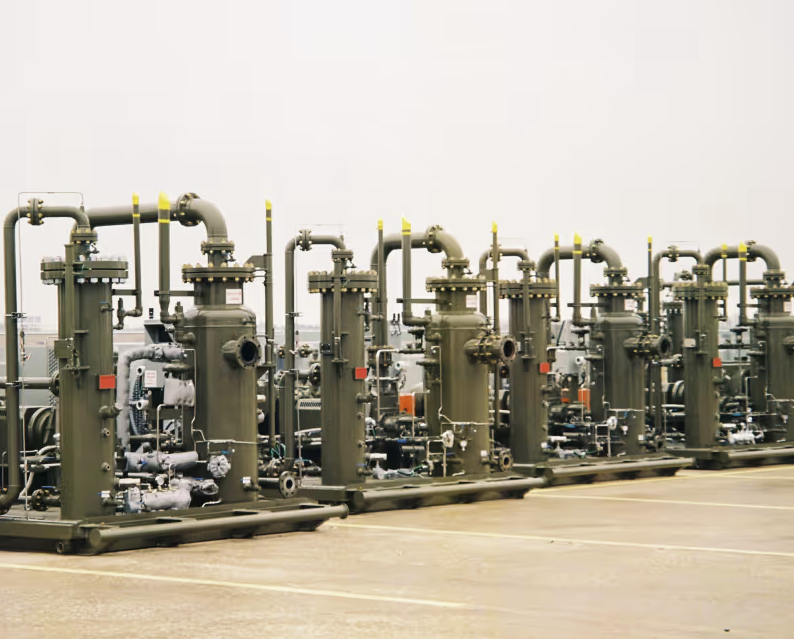
Vapor Recovery Units in a row
Learn More

If you’re even a little familiar with the oil and gas industry, you’ve probably heard the terms “vapor recovery unit” or “vapor recovery tower” thrown around in a meeting or two. But what do these systems do, and why should you care? Don’t worry, I’m not about to throw a bunch of complex jargon your way. Instead, let's break it down simply.

So, What Is a Vapor Recovery Unit (VRU)?

A vapor recovery unit, or VRU, is a piece of equipment used to capture gases that would otherwise escape into the air during oil and gas extraction or processing. These gases, which include valuable hydrocarbons like methane, ethane, and propane, are often just wasted through venting and/or flaring. Imagine leaving money on the table, except in this case, it’s energy and resources floating into the atmosphere—literally.

A VRU steps in and says, “Hold up, don’t let that go to waste!” It collects those vapors, condenses them, and sends them back into the system where they can be used or sold. It's a win-win: fewer emissions, more product!

And What About a Vapor Recovery Tower (VRT)?

Now, the vapor recovery tower (VRT) is like the VRU’s right-hand man. It’s not exactly the same, but they work together. Think of the VRT as the first line of defense. Before the gas even makes it to the VRU, the VRT helps separate the heavier liquids from the lighter vapors.

Imagine pouring a soda into a glass—some bubbles float to the top (those are the vapors), while the liquid stays at the bottom. The VRT does the same thing, letting the heavier liquids settle and sending the lighter vapors off for recovery by the VRU.

Why Should You Care About VRUs and VRTs?

You might be thinking, "Okay, I get it—they recover vapors. But why does that matter to me or the industry?" Great question! There are actually a few important reasons.

  1. Regulatory Compliance: Governments across the globe are setting stricter emissions standards, particularly around methane. No one wants to face penalties or fines, and having a VRU in place helps you stay compliant without losing sleep over it.
  1. Environmental Responsibility: Let’s face it, everyone is talking about reducing carbon footprints these days. Capturing vapors that would otherwise be released into the air helps companies in the oil and gas sector do their part for the environment.
  1. Operational Efficiency: By recovering vapors that would have been lost, you’re essentially increasing your product output. More gas captured means more gas sold. In other words, VRUs help turn potential waste into profit.
  1. Safety: VRUs also reduce the risk of flammable vapors accumulating around storage tanks, making your site safer overall. Nobody wants an accident on their hands.

How Do Vapor Recovery Units and Towers Actually Work?

Okay, I won’t bore you with too much technical detail, but here’s the gist. A vapor recovery unit works by capturing vapors from storage tanks or pipelines. It compresses those vapors, cools them down, and turns them into liquid form. Simple, right? Once those hydrocarbons are in liquid form, they’re much easier to handle, store, or transport.

The vapor recovery tower, on the other hand, steps in earlier in the process. It’s like a sorting system, separating the heavier liquids from the lighter gases before the VRU even gets involved. This ensures the VRU can work as efficiently as possible without getting bogged down by unnecessary liquid.

The Different Types of Vapor Recovery Units

There are a few types of VRUs out there, and the one you choose really depends on your needs.

  • Gas-Operated VRUs: These use the natural pressure difference between the storage tank and the atmosphere to collect vapors. They’re straightforward and cost-effective but may not handle high volumes of vapor as efficiently.
  • Mechanical VRUs: These use pumps or compressors to actively collect and process vapors, making them more efficient for larger operations.
  • Hybrid Systems: Some systems combine aspects of both, offering a balance between cost and efficiency.

Why Choose Flogistix for Vapor Recovery?

Now that you know what VRUs and VRTs are all about, it’s time to talk about why you should trust Flogistix for your vapor recovery needs.

Flogistix has been a leader in vapor recovery solutions for years, and our VRUs are built with top-notch technology designed to recover as much vapor as possible, helping you maximize both your efficiency and profitability. Whether you’re dealing with high-pressure situations or need a unit that can adapt to fluctuating conditions, our VRUs have you covered.

But it’s not just about the equipment. At Flogistix, we work with you to find the right solution for your specific needs. We know that no two operations are the same, and a one-size-fits-all approach just doesn’t work. That’s why we provide customized systems, tailored to your setup and goals.

And let’s not forget about support. From installation to maintenance, we’ve got your back. Our team of experts is available to make sure your vapor recovery unit is running smoothly and efficiently, keeping your operation compliant and productive.

By choosing Flogistix, you’re investing in more than just a VRU. You’re investing in a partnership with a company that understands your challenges and is committed to helping you succeed. Ready to reduce emissions, improve safety, and capture more value? Flogistix is ready to help you every step of the way.

If you’re even a little familiar with the oil and gas industry, you’ve probably heard the terms “vapor recovery unit” or “vapor recovery tower” thrown around in a meeting or two. But what do these systems do, and why should you care? Don’t worry, I’m not about to throw a bunch of complex jargon your way. Instead, let's break it down simply.

So, What Is a Vapor Recovery Unit (VRU)?

A vapor recovery unit, or VRU, is a piece of equipment used to capture gases that would otherwise escape into the air during oil and gas extraction or processing. These gases, which include valuable hydrocarbons like methane, ethane, and propane, are often just wasted through venting and/or flaring. Imagine leaving money on the table, except in this case, it’s energy and resources floating into the atmosphere—literally.

A VRU steps in and says, “Hold up, don’t let that go to waste!” It collects those vapors, condenses them, and sends them back into the system where they can be used or sold. It's a win-win: fewer emissions, more product!

And What About a Vapor Recovery Tower (VRT)?

Now, the vapor recovery tower (VRT) is like the VRU’s right-hand man. It’s not exactly the same, but they work together. Think of the VRT as the first line of defense. Before the gas even makes it to the VRU, the VRT helps separate the heavier liquids from the lighter vapors.

Imagine pouring a soda into a glass—some bubbles float to the top (those are the vapors), while the liquid stays at the bottom. The VRT does the same thing, letting the heavier liquids settle and sending the lighter vapors off for recovery by the VRU.

Why Should You Care About VRUs and VRTs?

You might be thinking, "Okay, I get it—they recover vapors. But why does that matter to me or the industry?" Great question! There are actually a few important reasons.

  1. Regulatory Compliance: Governments across the globe are setting stricter emissions standards, particularly around methane. No one wants to face penalties or fines, and having a VRU in place helps you stay compliant without losing sleep over it.
  1. Environmental Responsibility: Let’s face it, everyone is talking about reducing carbon footprints these days. Capturing vapors that would otherwise be released into the air helps companies in the oil and gas sector do their part for the environment.
  1. Operational Efficiency: By recovering vapors that would have been lost, you’re essentially increasing your product output. More gas captured means more gas sold. In other words, VRUs help turn potential waste into profit.
  1. Safety: VRUs also reduce the risk of flammable vapors accumulating around storage tanks, making your site safer overall. Nobody wants an accident on their hands.

How Do Vapor Recovery Units and Towers Actually Work?

Okay, I won’t bore you with too much technical detail, but here’s the gist. A vapor recovery unit works by capturing vapors from storage tanks or pipelines. It compresses those vapors, cools them down, and turns them into liquid form. Simple, right? Once those hydrocarbons are in liquid form, they’re much easier to handle, store, or transport.

The vapor recovery tower, on the other hand, steps in earlier in the process. It’s like a sorting system, separating the heavier liquids from the lighter gases before the VRU even gets involved. This ensures the VRU can work as efficiently as possible without getting bogged down by unnecessary liquid.

The Different Types of Vapor Recovery Units

There are a few types of VRUs out there, and the one you choose really depends on your needs.

  • Gas-Operated VRUs: These use the natural pressure difference between the storage tank and the atmosphere to collect vapors. They’re straightforward and cost-effective but may not handle high volumes of vapor as efficiently.
  • Mechanical VRUs: These use pumps or compressors to actively collect and process vapors, making them more efficient for larger operations.
  • Hybrid Systems: Some systems combine aspects of both, offering a balance between cost and efficiency.

Why Choose Flogistix for Vapor Recovery?

Now that you know what VRUs and VRTs are all about, it’s time to talk about why you should trust Flogistix for your vapor recovery needs.

Flogistix has been a leader in vapor recovery solutions for years, and our VRUs are built with top-notch technology designed to recover as much vapor as possible, helping you maximize both your efficiency and profitability. Whether you’re dealing with high-pressure situations or need a unit that can adapt to fluctuating conditions, our VRUs have you covered.

But it’s not just about the equipment. At Flogistix, we work with you to find the right solution for your specific needs. We know that no two operations are the same, and a one-size-fits-all approach just doesn’t work. That’s why we provide customized systems, tailored to your setup and goals.

And let’s not forget about support. From installation to maintenance, we’ve got your back. Our team of experts is available to make sure your vapor recovery unit is running smoothly and efficiently, keeping your operation compliant and productive.

By choosing Flogistix, you’re investing in more than just a VRU. You’re investing in a partnership with a company that understands your challenges and is committed to helping you succeed. Ready to reduce emissions, improve safety, and capture more value? Flogistix is ready to help you every step of the way.